Syphilis, a sexually transmitted infection (STI) that has existed for centuries, is seeing a dramatic resurgence. Recent statistics show alarming increases in syphilis cases across various demographics, raising concerns among health officials. As doctors may not always test for this infection effectively, many patients remain unaware of their status. In this article, we will examine the factors contributing to the rise of syphilis, the importance of testing, and what you can do to protect yourself.
Understanding Syphilis: A Brief Overview
Syphilis is caused by the bacterium Treponema pallidum and is primarily transmitted through sexual contact. The infection has four stages: primary, secondary, latent, and tertiary. Each stage presents different symptoms, making sexual health awareness crucial.
Primary Stage: This stage presents a painless sore, known as a chancre, at the infection site.
Secondary Stage: If untreated, symptoms can escalate to include rashes, fever, and swollen lymph nodes.
Latent Stage: This stage shows no symptoms, but the infection remains in the body.
Tertiary Stage: These symptoms can be severe, affecting the heart, brain, and other vital organs.
Despite effective treatments available, such as penicillin, undetected syphilis can lead to significant long-term health issues. In fact, untreated syphilis can result in neurological damage in 10-15% of cases.
The Alarming Rise in Syphilis Cases
Data from the Centers for Disease Control and Prevention (CDC) shows a shocking 74% increase in syphilis cases from 2015 to 2019. In 2020 alone, reported cases jumped to the highest levels seen in over 30 years. Certain populations, particularly men who have sex with men (MSM) and pregnant women, are experiencing the most pronounced increases.
Several factors contribute to this rise:
Increased Unprotected Sex: Rising instances of unprotected sex have been linked to the surge.
Decline in Routine STI Screenings: The COVID-19 pandemic has dramatically disrupted routine health checks and screenings for STIs, including syphilis. During 2020, many health facilities reported a temporary drop of up to 45% in STI tests.
Stigma Surrounding STIs: The stigma attached to sexually transmitted infections discourages many from seeking necessary tests.
Why Testing is Crucial
In light of the rising rates of syphilis, regular testing is more critical than ever. Many healthcare providers may neglect syphilis testing during routine STI screenings, especially when symptoms are absent. This oversight leads to undiagnosed infections, increasing potential transmission.
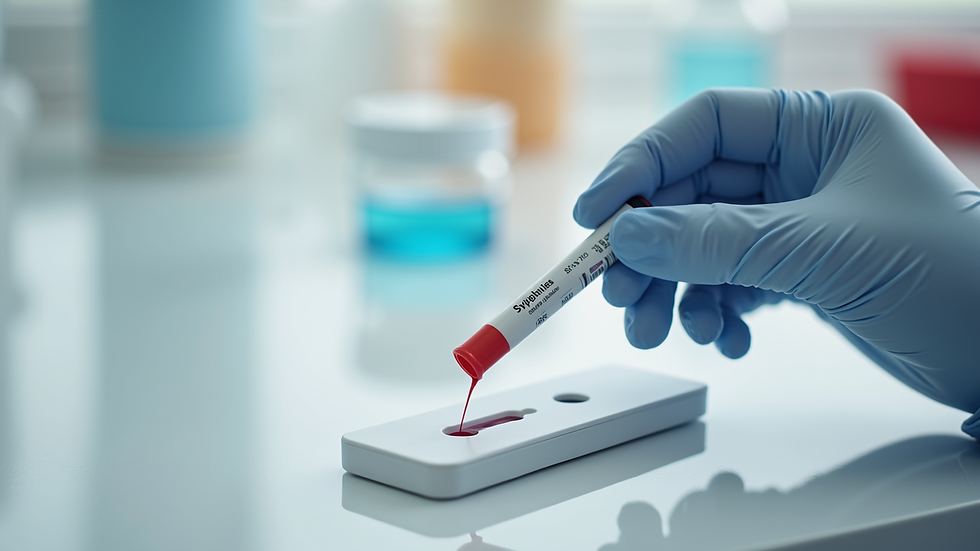
Syphilis testing can be conducted through a simple blood test or by examining fluid from a sore. Early detection makes treatment significantly easier. Regular testing is essential for higher-risk individuals, including those with multiple sexual partners, those who engage in unprotected sex, and anyone with a history of STIs. Statistics show that regular STI testing can reduce infection rates by as much as 60%.
What You Can Do
Being proactive about your sexual health is key. Here are some actions you can take:
Advocate for Yourself: Don’t hesitate to ask your healthcare provider for a syphilis test, especially if you are at risk. Being vocal about your health needs is important.
Educate Yourself: Understanding syphilis symptoms and stages empowers you to recognize warning signs and seek treatment promptly.
Practice Safe Sex: Using condoms and dental dams can significantly lower the risk of transmitting syphilis and other STIs.
Get Regular Screenings: Make STI testing part of your routine health checks, particularly if you are sexually active. Routine screenings can catch infections early, with reports indicating that regular tests reduce long-term health problems.
Communicate with Partners: Open discussions with sexual partners about health can ensure mutual awareness and testing, fostering a safer sexual environment.
The Role of Healthcare Providers
Healthcare providers are essential in the fight against the rise of syphilis. They must remain informed about current trends and prioritize STI testing. This includes:
Routine Screening: Integrating syphilis testing into standard health check-ups, especially for high-risk populations.
Patient Education: Offering essential information about syphilis, its symptoms, and the importance of testing.
Reducing Stigma: Creating a non-judgmental environment encourages patients to discuss their sexual health issues without fear.
By implementing these practices, healthcare providers can help reduce the incidence of syphilis and ensure that patients receive the necessary care.

Taking Action on Syphilis Awareness
The rise of syphilis is a pressing health issue that requires immediate attention. As infection rates climb, it becomes increasingly vital for individuals to take charge of their sexual health, while healthcare providers prioritize effective testing. Advocating for regular screenings, educating ourselves and others, and practicing safer sex can significantly combat this resurgence of syphilis.
Knowledge is indeed power. Don't wait for symptoms to show—get tested, stay informed, and protect your health. Working together, we can turn the tide against syphilis and pave the way for a healthier future for everyone.